Weslo Treadmills
Compact folding cardio for a room you also live in
A Weslo treadmill runs a motorized belt inside a frame small enough for a bedroom corner. Most Cadence models pair a 16 by 50 inch walking surface with speeds to about 10 mph, a two-position manual incline and a deck that lifts toward the console when you finish. CrossWalk machines add resistance arms for the upper body. CardioStride decks drop the motor and move only as fast as you walk. Cross Cycle and Pursuit bikes cover the days a belt is more impact than you want.
Shop Weslo Treadmills and Exercise Bikes
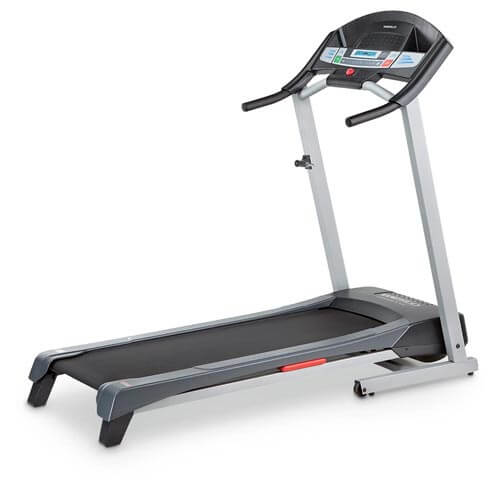
Weslo Cadence G 5.9
The Weslo treadmill most people picture. A 16 by 50 inch belt, speeds up to 10 mph, six preset workouts, two manual incline positions and Comfort Cell padding under the deck. The frame folds upright once you step off.
Check availability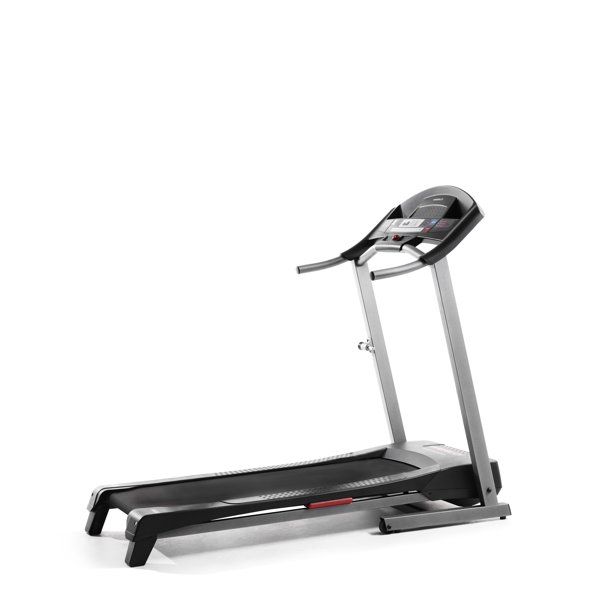
Weslo Cadence G 5.9i
Same compact folding format, plus Bluetooth on compatible revisions. The console talks to a tablet through the iFIT Smart Cardio Equipment system. Leave the tablet at home and it still runs on its own presets and manual controls.
Check availability
Weslo Cadence R 5.2
Built around the same 16 by 50 inch walking surface and 10 mph ceiling as the G-series, with six built-in workouts and a two-position manual incline. Published specifications put the user capacity at 250 lb.
Check availability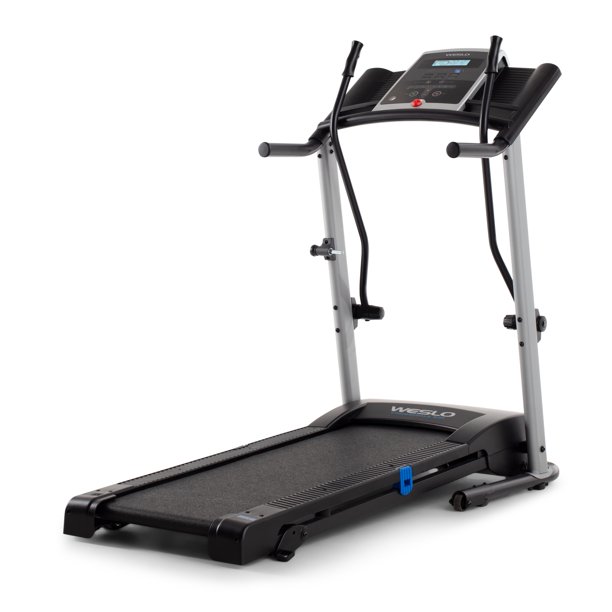
Weslo CrossWalk 5.2T
A treadmill with movable resistance arms on top. Push and pull them while you walk and the upper body joins in. Underneath sits a 2.25 HP-class drive, a 10 mph ceiling, four programmed workouts and a thumb pulse sensor.
Check availability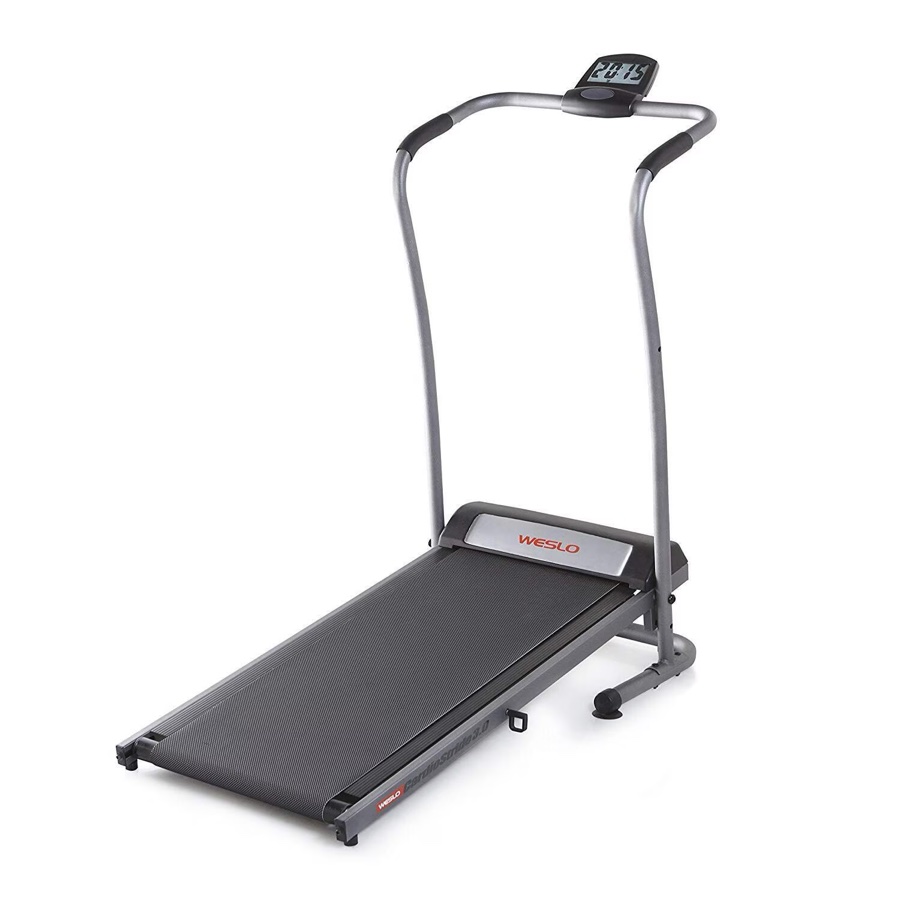
Weslo CardioStride 3.0
No motor at all. Your stride drives the belt, so the pace answers to your legs rather than a speed button. Two incline levels, a large readout and a frame light enough to move without help. Stop walking and the belt stops.
Check availability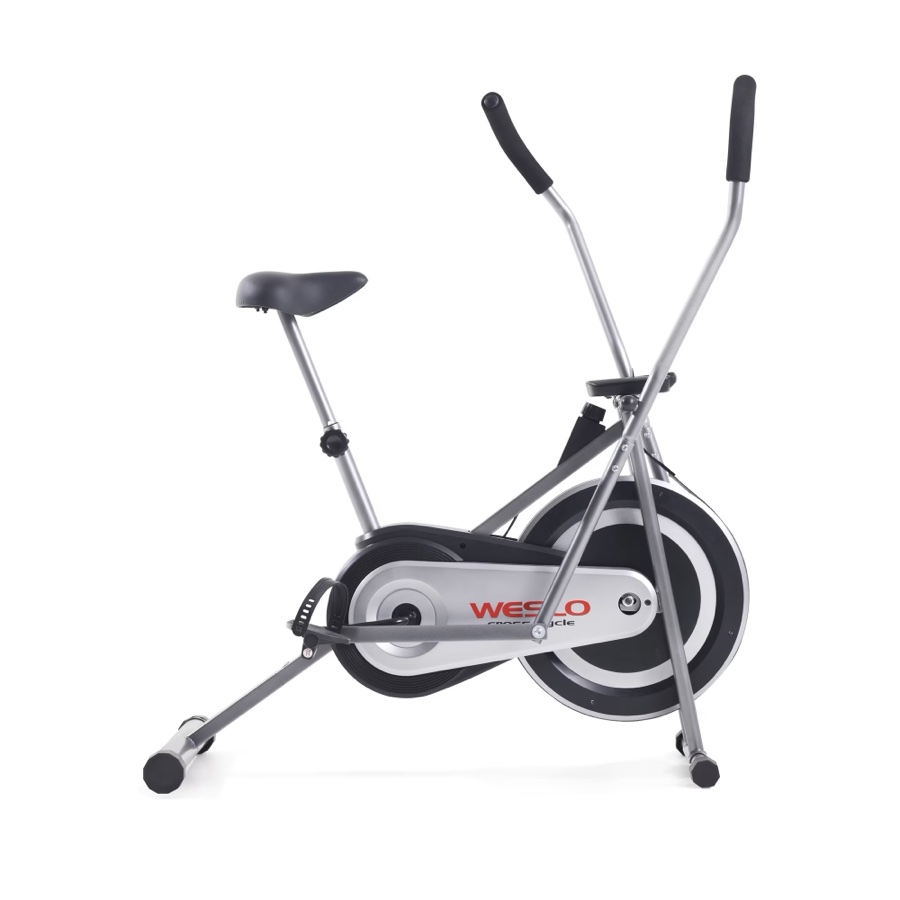
Weslo Cross Cycle Exercise Bike
Seated cardio with moving handlebars, so the arms work while the legs pedal. The inertia-enhanced flywheel smooths out the pedal stroke, the seat height adjusts on a knob and the rating goes to 250 lb. Nothing here loads your knees the way a belt does.
Check availabilityOlder Weslo models and replacement parts
Cadence G 7.0
Cadence G40
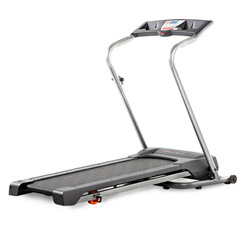
Cadence 60 CT
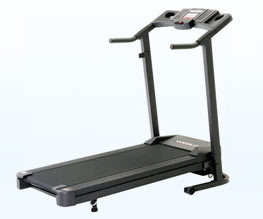
Cadence C44
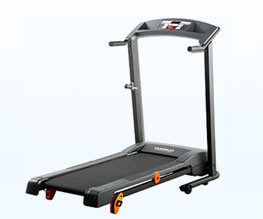
Cadence 80
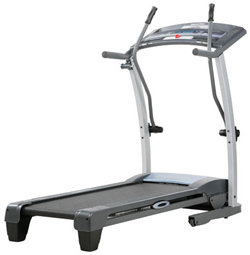
Pro CrossWalk 7.8
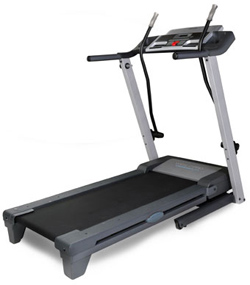
CrossWalk S 7.9
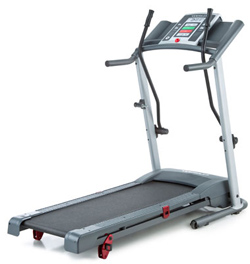
CrossWalk 5.0T
Weslo shipped dozens of revisions under a handful of names. Walking belts, motor belts, safety keys and consoles are cut for one model number, so read the label on your own frame before ordering anything for a machine you already own.
Cadence, CrossWalk, CardioStride or a Bike
Weslo Cadence Treadmills
Motorized walking and light jogging on a belt that holds the pace you dial in. This is the family the word Weslo usually refers to.
- Belt around 16 by 50 in on the popular G and R models
- Speeds up to roughly 10 mph, set from the console
- Six preset workouts on the common versions
- Two-position manual incline, changed with the belt stopped
Weslo CrossWalk Treadmills
A Cadence-style deck with resistance arms added above it. Worth the extra footprint only if you will genuinely use the arms.
- Movable arms bring the upper body into a walking session
- Works as an ordinary treadmill when you ignore them
- The arms need clearance in front of the console
- They stop being practical as speed climbs
Weslo CardioStride Treadmills
Self-powered walking with no drive motor. The belt answers to your stride and nothing else, which is a different workout from a Cadence.
- Nothing to plug in and no motor to burn out
- Effort has to stay constant or the belt slows
- Two incline levels on the CardioStride 3.0
- Light enough for one person to reposition
Weslo Exercise Bikes
Seated cardio for the days a belt is too much. Weslo has sold uprights such as the Cross Cycle and recumbents under the Pursuit name.
- Body weight sits on the seat instead of the joints
- Cross Cycle handlebars move, so the arms work too
- Pursuit R 4.1 recumbents use magnetic resistance
- Documented capacity on both lines runs to 250 lb
Start from the session you will actually repeat three times a week, not from the highest number on the console. A machine that gets used beats a machine that impresses.
Four Things Worth Checking Before You Order
A 16 by 50 inch belt is a walking belt
Running treadmills are built around 20 by 60 inch decks. Popular Cadence models give you four inches less width and ten less length, which is exactly why they fit a bedroom. At walking pace you never notice. At a genuine run you have less room to drift sideways and a long stride starts to crowd the rear roller. Measure your own stride before assuming 10 mph on the console means 10 mph in practice.
The incline is manual on most models
Entry-level Weslo machines change grade mechanically. Stop the belt, set both rear feet to the same position, then restart. There is no button to press mid-interval. It keeps the machine simple and gives you one extra way to make a walk harder without speeding it up. Uneven feet make the frame unstable, so treat matching them as part of the setup.
Folding recovers floor space, not the whole machine
The deck lifts toward the console after you switch off, which hands back a useful share of the footprint. It stays heavy and it still needs somewhere to stand. Measure both dimensions, the one it occupies while running and the one it occupies parked, before you decide it fits. Ceiling height matters too, because the deck already sits several inches off the floor and incline lifts it further.
This is residential equipment, rated near 250 lb
Weslo manuals specify home use and warn against commercial, rental and institutional operation. Several Cadence treadmills and Pursuit bikes carry a 250 lb user limit, though the figure moves between revisions. Treat it as a hard number rather than a suggestion, and read it off the label on your own frame. A 30-minute daily walk asks almost nothing of a machine. Four hours of running a day is a different question.
Match the Workout to the Machine
| What you want to do | Machine and setting | Worth knowing |
|---|---|---|
| A 30-minute daily walk | Cadence, 2.5 to 3.5 mph, flat | The workload these machines were designed around |
| Hill walking without more speed | Cadence, both incline feet raised | Set the grade before you start, never mid-session |
| Light jogging a few times a week | Cadence, roughly 4 to 6 mph | Comfortable on a 50-inch deck for most stride lengths |
| Steady running above 7 mph | Look past the compact Weslo range | A 20 by 60 inch deck gives a runner room to correct |
| Walking plus upper body | CrossWalk, slower pace, arms active | Not a replacement for actual resistance training |
| Self-paced walking, no motor | CardioStride 3.0 | Ease off and the belt eases off with you |
| Cardio that spares the knees | Cross Cycle or a Pursuit recumbent | The seat carries the load your feet otherwise would |
| Training in a shared room | Any folding Cadence or CrossWalk | Check the parked footprint, not only the running one |
- Console top speed and usable top speed are different numbers. Deck length, your weight, session length and how hard the drive system has to work all pull the second one down.
- Weight capacity is set by the exact revision, not the family name. Two treadmills both sold as a Cadence G 5.9 can carry different limits and different parts.
- Sprint intervals, sled work and anything that needs a powered incline changing under your feet belong on a different machine. A compact Weslo repeats one steady pace well.
Reference Specifications
Weslo Cadence G 5.9
The compact treadmill reference
- Walking belt
- 16 x 50 in
- Top speed
- About 10 mph
- Incline
- Two manual positions
- Preset workouts
- 6
- Cushioning
- Comfort Cell deck
- Storage
- Folding frame
- Intended use
- Residential
Compare anything else in the range against these numbers. The G 5.9i keeps the same layout and adds Bluetooth on compatible revisions, so a tablet running iFIT software can talk to the console. Neither version has a powered incline.
Weslo Cadence R 5.2
The R-series reference
- Walking belt
- 16 x 50 in
- Top speed
- About 10 mph
- Incline
- Two manual positions
- Preset workouts
- 6
- User capacity
- 250 lb
- Storage
- Folding frame
- Intended use
- Residential
Near-identical on paper to the G-series and aimed at the same walking and light-jogging sessions. The published 250 lb capacity is the number to check against your own household before ordering.
Weslo Cross Cycle
The upright exercise bike
- Type
- Upright, dual action
- Handlebars
- Moving, arms included
- Flywheel
- Inertia enhanced
- Seat
- Height adjustable
- Pedals
- Strapped
- User capacity
- 250 lb
- Intended use
- Residential
The seated alternative when a walking belt is more impact than you want. Moving handlebars pull the shoulders and arms into the session, and the flywheel keeps the pedal stroke from feeling notchy.
- Find the identification label on the frame before you order a walking belt, a motor belt, a safety key, a console or a controller. Weslo released many revisions under one consumer-facing name and the parts are not interchangeable across them.
- The Cadence G 5.9i alone appears under several WLTL296-series revisions. A component listed for one of them will not necessarily seat in another.
- Serial information helps as much as the model number when you contact a service provider, because production changes happened inside single model families.
Weslo Owner Reviews
Fairly easy to assemble, it was packaged well for protection. My husband and I put it together less than 30min. It's easily movable(front wheels) and sturdier than you would think for the build and affordable price. Incline transitions aren't speedy but smooth. We got it as an addition to our garage gym. Doesn't feel bulky or space consuming(although we still not set on where to have it 🤔). Cup holders couldn't fit my tumbler but as reference the tall can of liquid death fits and has wiggle room. (Not sponsored by liquid death 😅) I got a good walk and run on it, it feels good, I don't feel like there is hard impact on my legs/knees. So far, I love it and look forward to using it more and maybe seeing if my dog will use it 🤔. I personally don't have interest in using the ifit subscription but cool that it's compatible.
Kristina DiBella
I reseached trradmills for months before deciding on this one. So far I love it! Nice wide belt and great shock absorption! No more achey ankles and knees after a workout. Another awesome surprise is how quiet it runs! Love that I can put a show on my tablet and just zone out.
Nicole Dees
Absolutely love this treadmill. Exactly what we hoped for.
JB
Just what I needed. It is heavy but takes up so much less space than a traditional treadmill. Easy to use. I would recommend two people unboxing, but after that it's no trouble at all.
Amanda K. Cruz
Easy setup. Invert packing box for easier removal of equipment. Apply silicone oil before using to reduce noise. I plan to use the walking pad mat. Works great!
Jeri
It feels smooth and stable for daily workouts. The 7% incline adds a good challenge, the RGB display is easy to read, and the safety key makes me feel more confident while running.
Noemi Abigail Noriega Angel
Setting Up, Using and Maintaining a Weslo
- 1
Unpack and assemble with a second pair of hands
Several Weslo manuals ask for two people, and the reason is the main frame rather than the bolts. Uprights, handrails, the console and its wiring all attach after the box comes off. Inverting the carton makes lifting the deck out considerably easier than reaching down into it.
- 2
Give it a level floor and real clearance behind
The frame needs to sit flat and stay flat, and you need room to get on and off plus safe space behind the moving belt. A treadmill mat protects flooring and catches belt dust, so long as it does not leave the frame rocking. Check the ceiling as well: the deck is already raised, and incline raises it further.
- 3
Power it through the surge suppressor the manual names
The G 5.9i documentation specifies a suitable surge suppressor and warns against overloading the circuit. Motorized treadmills draw a lot on startup. Sharing a circuit with a fridge or a space heater is how you trip a breaker halfway through a session.
- 4
Start on the foot rails with the key clipped on
Stand on the side rails, not the belt. Clip the safety key to your clothing, insert it, start the belt slowly, then step across. Clip it where ordinary arm movement will not tug it loose but a stumble will pull it clear. The key stopping the treadmill is the point of the key.
- 5
Build pace gradually and set incline while stopped
Walking at 2.5 mph and walking at 4 mph feel like different machines on a 50-inch deck. Let stability decide the pace rather than the highest number the console offers. For manual incline, stop the belt first, then set both rear feet identically before restarting.
- 6
Watch belt tracking and skip the mystery lubricant
Inspect and tighten hardware on a schedule. If the belt drifts off center, slips under load or slows when you step on it, stop and follow the alignment procedure for your exact model, since small rear-roller adjustments move tracking a lot. Do not spray anything under the belt that the manual has not authorized. Keep lint away from the motor housing vents.
Most treadmill damage builds up quietly. A belt running slightly off center for a month wears its edge, and a loose bolt gets looser every session.
Anyone with a heart condition, a joint problem or a long gap since their last exercise should talk to a doctor before starting, and the manuals say the same.
Keep children and pets away from a machine that is plugged in, and pull the safety key out when you finish. A stationary belt is still a belt that can move.
About Weslo
Weslo began in Utah in 1977, founded by Scott Watterson and Gary Stevenson. Fitness equipment came later. The early business handled imported kitchenware, tableware and marble goods before moving through other categories and arriving at exercise machines.
Weider Health and Fitness acquired Weslo and ProForm in 1988. In 1994 both became part of the newly formed ICON Health & Fitness, which went on to absorb NordicTrack and eventually became the company now trading as iFIT. That lineage explains why a Weslo console, a Weslo safety key and Weslo service paperwork all feel familiar to anyone who has owned other ICON-era equipment.
The catalog grew large. Motorized Cadence treadmills became the recognizable core, CrossWalk models added upper-body arms, CardioStride decks dropped the motor, and Pursuit and Cross Cycle covered seated cardio. Manuals across those generations identify WESLO as an ICON IP trademark.
What has stayed constant is the brief. A belt that moves at a pace you control, a display that shows the handful of numbers worth showing, a frame that fits a real room, and controls a first-time user can work out without a tutorial. That costs you running deck area, a powered incline and commercial-grade duty. For a household adding thirty minutes of walking to the day, it is a reasonable trade.
Weslo FAQ
Weslo is a home fitness equipment brand best known for compact treadmills, exercise bikes and other cardio machines designed for residential use. The brand has been associated with entry-level fitness equipment for decades. The Cadence treadmill line became its most recognizable product family, and CrossWalk, CardioStride, Pursuit and Cross Cycle fill out the rest of the range.
Weslo was founded in Utah in 1977 by Scott Watterson and Gary Stevenson. The company originally operated outside the fitness industry before moving into exercise equipment. Weslo later became part of ICON Health & Fitness, the company now known as iFIT.
Motorized treadmills, manual treadmills, upright exercise bikes, recumbent bikes and other home exercise equipment. The major product families are Cadence treadmills, CrossWalk treadmills with upper-body arms, CardioStride manual treadmills, and Pursuit and Cross Cycle exercise bikes.
Weslo Cadence is a family of compact motorized treadmills built primarily for home walking, brisk walking and light jogging. Features vary by model. Commonly documented versions use folding frames, preset workout programs, manually adjustable incline, basic workout displays and relatively compact walking belts.
Both are compact folding treadmills from the same product family. The G 5.9i adds Bluetooth connectivity on compatible versions, which lets the treadmill communicate with the iFIT Smart Cardio Equipment app on a tablet. Exact specifications vary between production revisions, so check the full model number before comparing features or ordering parts.
Most compact Weslo treadmills suit walking and light jogging better than sustained high-mileage running. Many Cadence models use a walking surface around 16 by 50 inches, considerably smaller than the 20 by 60 inch decks found on running-oriented treadmills. Taller runners and anyone training regularly at higher speeds will get more out of a longer, wider deck.
Several popular motorized Cadence models reach approximately 10 mph. That figure alone does not decide whether a treadmill suits regular running. Belt dimensions, user weight, workout duration, frame stability and the drive system all matter as much as the number on the console.
Many do, but entry-level models use a manual system rather than a powered incline motor. On machines such as the Cadence G 5.9 the treadmill has to be stopped before the incline position changes. Both sides of the deck must always sit at the same position, otherwise the frame becomes unstable.
Many Cadence and CrossWalk treadmills use folding deck designs. The walking platform lifts toward the console after use, which reduces the floor area the machine occupies. It still needs a permanent storage footprint, so check both the folded and the operating dimensions before buying.
A Weslo CrossWalk combines a motorized treadmill with movable resistance arms positioned near the console. Push and pull them during slower walking sessions to add upper-body movement. They do not replace conventional strength training, and they become less practical as treadmill speed increases.
CardioStride models are manual treadmills that operate without a drive motor. The belt moves when you walk and stops when you stop supplying enough force to keep it moving. That makes for a different workout from a powered Cadence treadmill, because you control belt movement directly instead of selecting an electronically maintained speed.
Yes. Weslo has produced exercise bikes under the Pursuit name in both upright and recumbent designs, along with upright models such as the Cross Cycle. Depending on the model, features include adjustable resistance, adjustable seating, workout displays, transport wheels, pedal straps and heart-rate monitoring.
Capacity depends on the exact model and revision. Several commonly documented Weslo treadmills and exercise bikes carry maximum user capacities around 250 lb. Do not assume that figure for every Weslo product. Check the equipment label or the manual for your specific model before use.
Use the complete model number from the identification label on the treadmill rather than relying on a name such as Cadence G 5.9. Weslo released multiple revisions of similarly named machines. Walking belts, motor belts, controllers, consoles, safety keys and switches are not necessarily interchangeable between versions.
No. Weslo treadmills and exercise bikes are primarily residential fitness machines, designed around typical home exercise rather than the continuous workloads of commercial gyms, hotels or training facilities. Anyone who needs several hours of heavy daily use should choose equipment specifically rated for that workload.
Buy for the Session You Will Repeat
Measure the space, decide whether you are walking or running, then take the smallest machine that covers it. Belt size, incline type and user capacity all follow from the model number, so read that before anything else.
Shop Weslo Treadmills